

Early Poll Buzz Intensifies Across Tamil Nadu
We are witnessing intensifying political momentum across Tamil Nadu as fresh information suggests that the state assembly elections may take place as early as April, potentially in the first phase of the national multi-state election schedule. With five states expected to head into polls during the April–May election window, Tamil Nadu is increasingly being positioned as one of the states that could see early voting, triggering a surge in political activity, campaign planning, and alliance-building across the state.
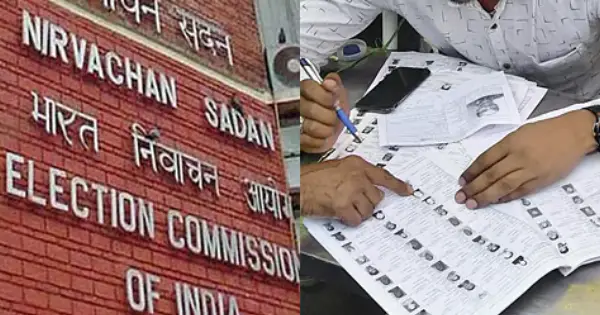
The expectation that the Election Commission could announce official poll dates in March has accelerated preparations among major parties. The possibility of an April voting phase has sharpened the urgency for candidates and party leadership, making this one of the most closely watched electoral cycles in recent years.
Election Timeline: March Announcement, April Voting Window
We anticipate that the official election schedule will likely be released in March, setting the stage for a highly compressed campaign period. With just around 60–70 days of preparation time, political parties are moving rapidly to finalize candidate lists, constituency strategies, and alliance agreements.
The indication that Tamil Nadu may feature in the first phase of polling underscores the importance of early groundwork. Campaign infrastructure, booth-level coordination, and voter outreach programs are being expanded across both urban and rural constituencies. Early polling could significantly influence national political narratives, as Tamil Nadu remains a crucial state in the broader electoral landscape.
Political Parties Enter Intensive Campaign Mode
We are seeing all major parties ramp up their organizational machinery. From grassroots mobilization to digital outreach, the state’s political ecosystem is entering a decisive phase. Party offices across Chennai and district headquarters are witnessing strategy meetings, training sessions, and campaign planning workshops aimed at ensuring readiness for an early election.
A recent high-level strategy meeting in Chennai brought together senior leaders and organizational heads, emphasizing the urgency of preparation. Leaders reportedly highlighted that only a limited number of days remain before the electoral process begins, urging cadres to intensify ground-level engagement.
Alliance Dynamics and Electoral Messaging
Tamil Nadu’s elections are traditionally shaped by alliances and coalition arithmetic. As early polling becomes more likely, alliance negotiations are gaining momentum. Parties are evaluating seat-sharing arrangements, regional influence, and voter demographics to craft winning combinations.
We expect messaging strategies to focus on:
- Governance performance and development promises
- Welfare schemes and economic initiatives
- Regional identity and state-centric policies
- National-state political alignment
The possibility of early polling is pushing alliances to finalize arrangements quickly, as delayed negotiations could impact campaign effectiveness.
Ground-Level Mobilization Across Districts
We are observing increased door-to-door outreach, voter data analysis, and booth-level coordination across districts. Political workers are being tasked with strengthening voter engagement networks, identifying swing constituencies, and ensuring maximum turnout.
District-level meetings are focusing on:
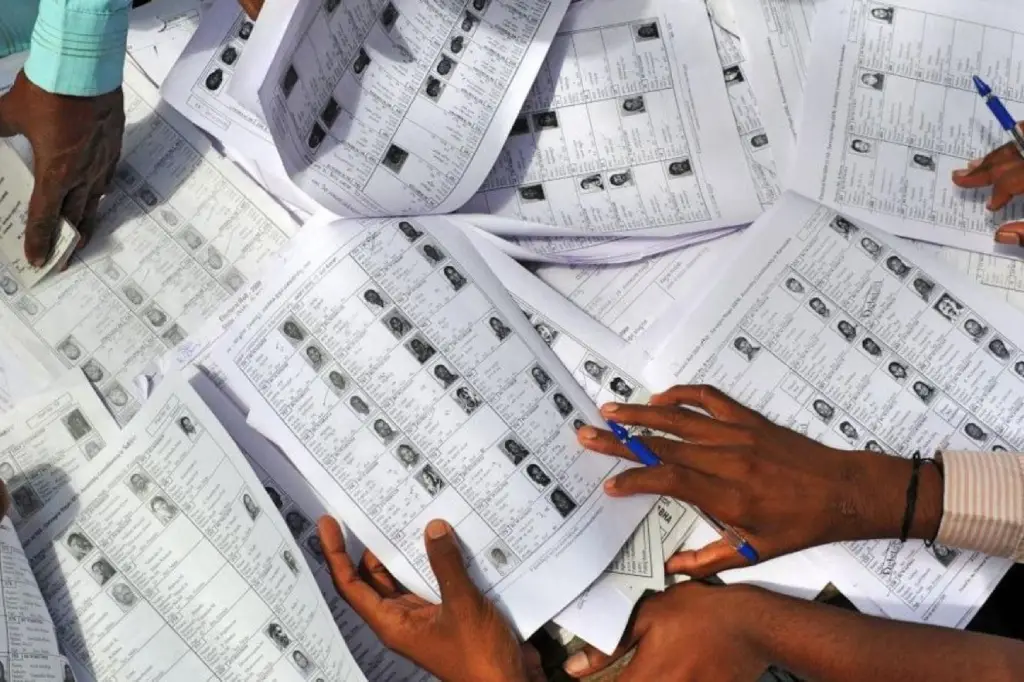
- Voter list verification
- Volunteer training
- Campaign material distribution
- Local issue mapping
The early election timeline requires rapid deployment of resources, making organizational efficiency a decisive factor.
Urban vs Rural Campaign Strategies
Tamil Nadu’s electoral landscape demands distinct approaches for urban and rural constituencies. In metropolitan regions such as Chennai, Coimbatore, and Madurai, campaigns are expected to emphasize:
- Infrastructure development
- Employment opportunities
- Urban mobility
- Technology-driven governance
In rural and semi-urban areas, messaging will likely center on:
- Agricultural support
- Water management
- Local development projects
- Welfare schemes
We are seeing parties tailor their strategies to reflect these diverse voter priorities.
Digital Campaigning and Youth Engagement
With a compressed campaign window, digital outreach is becoming increasingly critical. Social media platforms, targeted messaging, and online engagement tools are being deployed to reach younger voters and urban audiences.
We expect to see:
- Data-driven campaign strategies
- Micro-targeted advertisements
- Interactive digital town halls
- Volunteer coordination through digital platforms
Youth participation is expected to play a significant role, with parties investing heavily in student and first-time voter outreach.
Key Issues Likely to Shape the Election
Several issues are likely to dominate campaign narratives:
Economic Development
We anticipate strong emphasis on job creation, industrial growth, and investment opportunities.
Welfare Programs
Existing and proposed welfare schemes will be central to voter outreach, particularly in rural areas.
Infrastructure and Urban Growth
Urban infrastructure, transport systems, and housing initiatives will be key discussion points.
State Autonomy and Federal Relations
The relationship between state and central governments will likely feature prominently in campaign discourse.
Election Readiness and Administrative Preparations
As the election timeline becomes clearer, administrative preparations are also accelerating. We expect authorities to focus on:
- Polling station readiness
- Security arrangements
- Electronic voting machine deployment
- Voter awareness campaigns
Early polling requires meticulous coordination to ensure smooth conduct across all constituencies.
Potential Impact of Early Polling
An April election could influence:
- Campaign duration and intensity
- Alliance stability
- Voter turnout patterns
- National political momentum
Early results from Tamil Nadu may shape broader political narratives, making the state’s election one of the most significant in the national context.
Conclusion: Tamil Nadu Moves Toward a Crucial Electoral Moment
We are entering a decisive phase in Tamil Nadu’s political calendar. With strong indications that assembly elections could take place in April, political parties are accelerating preparations, refining strategies, and intensifying voter engagement. The expected March announcement of poll dates will formally trigger the election process, but the groundwork is already underway.
As campaign momentum builds across the state, every constituency is becoming a battleground for influence, messaging, and voter support. Early polling will test organizational strength, alliance coherence, and the ability to mobilize voters quickly. The coming weeks will be critical in shaping the trajectory of the Tamil Nadu assembly elections and determining the future political landscape of the state.